

Hey there! As a supplier of Medical X-Ray Lead Plates, I often get asked whether these lead plates are used in digital x-ray systems. Well, let's dive right into it.

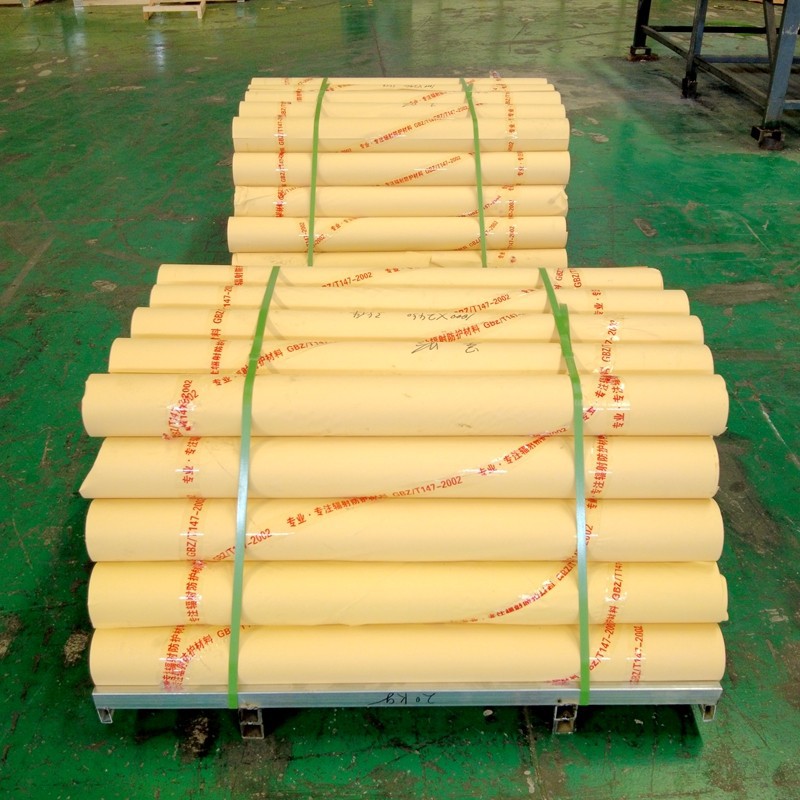
First off, what are digital x-ray systems? Digital x-ray is a modern form of x-ray imaging that uses digital sensors instead of traditional photographic film. It offers a bunch of advantages, like instant image display, the ability to manipulate images for better analysis, and lower radiation doses in some cases. But does it still need those good old medical x-ray lead plates? The short answer is yes, and here's why.
The Role of Lead Plates in Digital X-Ray Systems
Radiation Protection
The primary function of medical x-ray lead plates in both traditional and digital x-ray systems is radiation protection. X-rays are a form of ionizing radiation, which can be harmful to living tissues. Lead is an excellent shielding material because of its high atomic number. When x-rays hit a lead plate, the lead atoms absorb and scatter the x-ray photons, preventing them from passing through and reaching areas where they're not needed, like the patient's healthy organs or the staff in the vicinity.
In a digital x-ray room, lead plates are used in various ways. For example, they're installed in the walls, doors, and windows of the x-ray room. This is called primary shielding. It helps to contain the x-rays within the room and protect people outside from unnecessary radiation exposure. You can check out our Medical Protective Lead Plate for high - quality shielding solutions.
Lead aprons, which are also made with lead plates or lead - equivalent materials, are worn by patients and staff. These aprons cover sensitive areas of the body, like the thyroid, chest, and abdomen, during x-ray procedures. Even in digital x-ray, where the radiation dose might be lower than in traditional methods, it's still crucial to minimize exposure as much as possible.
Image Quality
Believe it or not, lead plates also play a role in improving image quality in digital x-ray systems. In a digital detector, scattered radiation can cause fogging on the image. Scattered x-rays are produced when the primary x-ray beam interacts with the patient's body. This scattered radiation can hit the detector from different angles and create a background noise that reduces the contrast and sharpness of the image.
To combat this, lead grids are used. A lead grid is a series of thin lead strips separated by interspace material. It's placed between the patient and the digital detector. The lead strips absorb the scattered x-rays, while allowing the primary x-rays to pass through to the detector. This helps to produce a clearer, more diagnostic image.
Types of Lead Plates for Digital X-Ray Systems
Fixed Lead Plates
Fixed lead plates are used for permanent shielding in the x-ray room. They're usually installed during the construction or renovation of the facility. These plates come in different thicknesses, depending on the type of x-ray equipment used and the radiation levels expected. Our Radiation Resistant Lead Plate 2mmpb is a popular choice for many digital x-ray setups. It provides a good balance between radiation protection and cost - effectiveness.
Mobile Lead Shields
Mobile lead shields, like our Mobile Lead Porta Shield, are very useful in digital x-ray systems. They can be moved around the room as needed to provide additional shielding during specific procedures. For example, if a patient needs to be positioned in an unusual way, a mobile lead shield can be placed to protect areas that are not being imaged.
Advantages of Using Our Medical X - Ray Lead Plates
High - Quality Material
We source the best lead materials for our lead plates. Our manufacturing process ensures that the lead plates have uniform density and high purity, which is essential for effective radiation shielding.
Customization
We understand that every digital x-ray system is different. That's why we offer customized lead plates. Whether you need a specific size, shape, or thickness, we can make it for you.
Compliance
Our lead plates meet all the relevant safety and quality standards. This means you can be confident that you're using a product that's safe and reliable for your digital x-ray facility.
How to Choose the Right Lead Plates for Your Digital X - Ray System
Consider the Radiation Level
The type of x-ray equipment you have will determine the radiation levels in your room. Higher - energy x-ray machines will require thicker lead plates for adequate shielding. You need to consult with a radiation safety expert to assess the radiation levels and choose the appropriate lead plate thickness.
Think About the Application
If you need lead plates for permanent shielding in the walls, fixed lead plates are the way to go. But if you need flexibility, like shielding during bedside x-ray procedures, mobile lead shields are more suitable.
Budget
Of course, budget is always a consideration. While you don't want to compromise on quality, there are cost - effective options available. We can work with you to find the best solution that fits your budget.
Conclusion
In conclusion, medical x-ray lead plates are definitely used in digital x-ray systems. They're essential for radiation protection and improving image quality. Whether you're setting up a new digital x-ray facility or upgrading an existing one, having the right lead plates is crucial.
If you're in the market for high - quality medical x-ray lead plates, don't hesitate to get in touch. We're here to help you choose the best products for your specific needs. Let's work together to ensure the safety and efficiency of your digital x-ray operations.
References
- Bushberg, J. T., Seibert, J. A., Leidholdt, E. M., & Boone, J. M. (2012). The essential physics of medical imaging. Lippincott Williams & Wilkins.
- Hendee, W. R., & Ritenour, E. R. (2002). Medical imaging physics. Wiley - Liss.